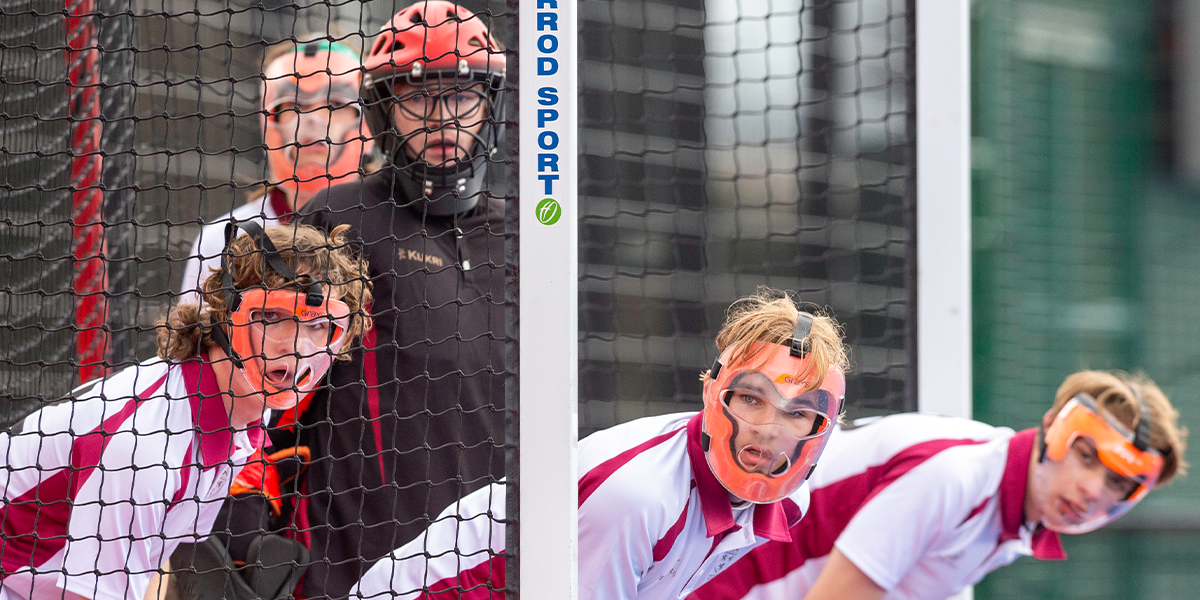

Hot and extreme weather can create additional risks for everyone taking part in hockey, including players, coaches, officials, volunteers and spectators.
England Hockey has developed guidance to help clubs, teams and activity organisers understand the risks associated with playing and delivering hockey during periods of hot weather and the practical steps that can be taken to help keep people safe.
Planning ahead is important. Clubs and organisers should monitor weather conditions, consider the needs of the people taking part and review their risk assessment before activity takes place. Conditions should continue to be monitored throughout the activity, particularly where temperatures or weather conditions are changing.
-
When hot or extreme weather is forecast, clubs and activity organisers should consider the conditions as part of their usual planning and risk-assessment process.
Before activity, consider:
- The latest local weather forecast and any weather warnings;
- How hot conditions may affect the planned activity;
- The age, health and individual needs of participants;
- Access to drinking water and opportunities to remain hydrated;
- Access to shade and opportunities for participants to cool down;
- The timing, duration and intensity of activity;
- Whether additional or extended breaks may be needed;
- The impact of direct sunlight and UV exposure;
- Arrangements for officials, coaches, volunteers and spectators as well as players; and
- What action will be taken if conditions deteriorate or somebody becomes unwell.
Where appropriate, sessions, matches or events may need to be adapted to manage the risks identified.
-
Extreme heat and changing weather conditions should form part of the risk-assessment process when planning hockey activity.
England Hockey strongly recommends that a risk assessment is completed and recorded before hockey activity takes place. Existing risk assessments should also be reviewed when circumstances change, including during periods of extreme weather.
The person or people responsible for delivering the activity should consider the specific circumstances at their venue rather than relying only on the forecast temperature.
This may include the time of day, exposure to direct sunlight, availability of shade, intensity and duration of activity, participant needs and the availability of water and cooling opportunities.
England Hockey Risk Assessment Guidance
The FAQs below provide quick answers to some of the most common questions clubs, coaches, officials, parents and participants may have when managing hockey activity during periods of hot or extreme weather.
They should be read alongside the full England Hockey Extreme Heat Guidance, which provides more detailed information on planning, risk assessment, adapting activity, Heat-Health Alerts and responding to heat-related illness.
-
Check the latest forecast and weather warnings and review the risk assessment for the activity. Consider what additional measures may be required and communicate any changes to players, officials, coaches and others involved.
Conditions should continue to be monitored on the day rather than relying solely on a forecast checked several days beforehand.
-
Hot weather should trigger appropriate planning and a review of the risks associated with the activity.
Clubs and organisers should use the England Hockey Extreme Heat Guidance alongside their risk assessment and the latest local weather information when deciding whether activity can be delivered safely, adapted or should not proceed.
-
The person or people responsible for organising and delivering the activity should ensure that the risks have been considered. Depending on the activity, this could include club officials, coaches, team managers or event organisers.
It is good practice to involve venue or facility staff where they have relevant information about the conditions or facilities available.
-
Depending on the circumstances and the England Hockey guidance, reasonable adjustments might include changing the timing or intensity of activity, providing additional rest or hydration opportunities, improving access to shade or cooling areas, or reducing the duration of activity.
Any changes should reflect the participants, venue, activity and conditions on the day.
-
Anyone who becomes unwell should stop participating and receive appropriate first aid and support.
Heat exhaustion can develop into heatstroke, which is a medical emergency. Clubs should ensure appropriate first-aid provision is available and should follow NHS advice where heat-related illness is suspected.
-
Clubs, teams and activity organisers should use reliable and up-to-date weather information when planning activity.
Met Office – Local Weather Forecast
Check the latest forecast for your venue or local area, including temperature and hourly conditions.
Met Office – UK Weather Warnings
Check whether the Met Office has issued a weather warning for your area, including warnings for extreme heat.
UKHSA – Heat-Health Alerts
The UK Health Security Agency's Heat-Health Alert system provides information about periods of hot weather that may affect the health and wellbeing of the population in England.
Alerts can be issued at yellow, amber or red level depending on the expected health impacts.
Met Office – UV Forecast
UV levels should also be considered when planning outdoor hockey activity. High UV levels can occur even when conditions do not feel particularly hot.